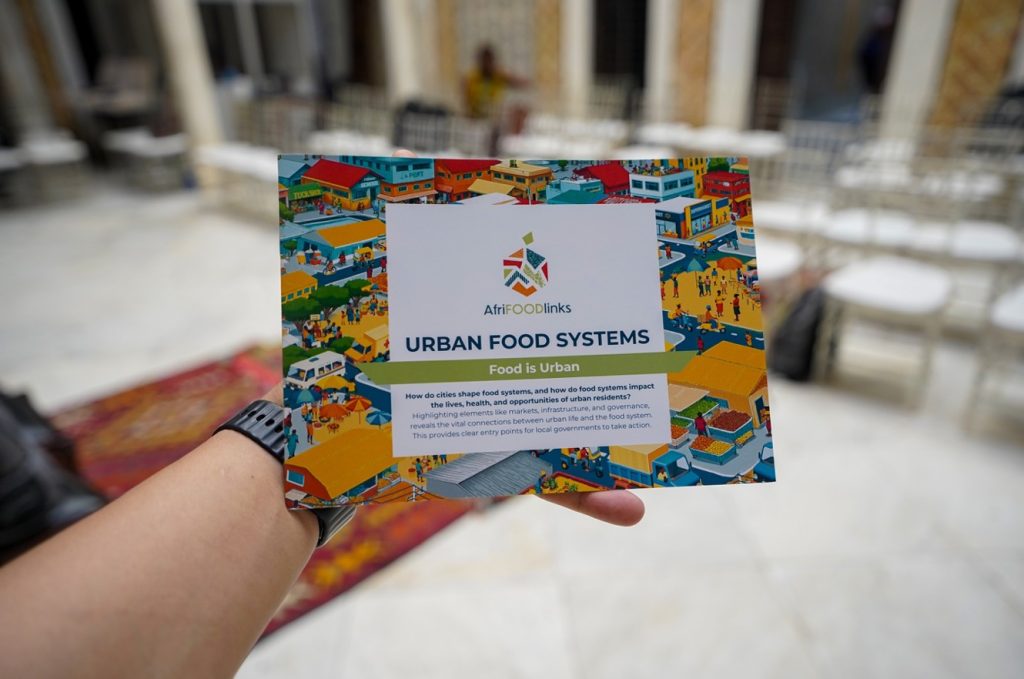
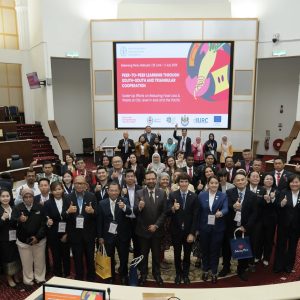
From 21 to 25 September 2026, the AfriFOODlinks Consortium gathered in Tunis, Tunisia, for its third and final Consortium Meeting, marking an important milestone in the four-year Horizon Europe project dedicated to transforming urban food systems across Africa.
Hosted at the historic Dar Lasram palace, in the heart of the Medina, the five-day gathering brought together representatives of the 26 consortium partners, as well as African and European cities, to reflect on achievements, exchange experiences and, above all, consider how to sustain the momentum and build on the knowledge generated by the project.
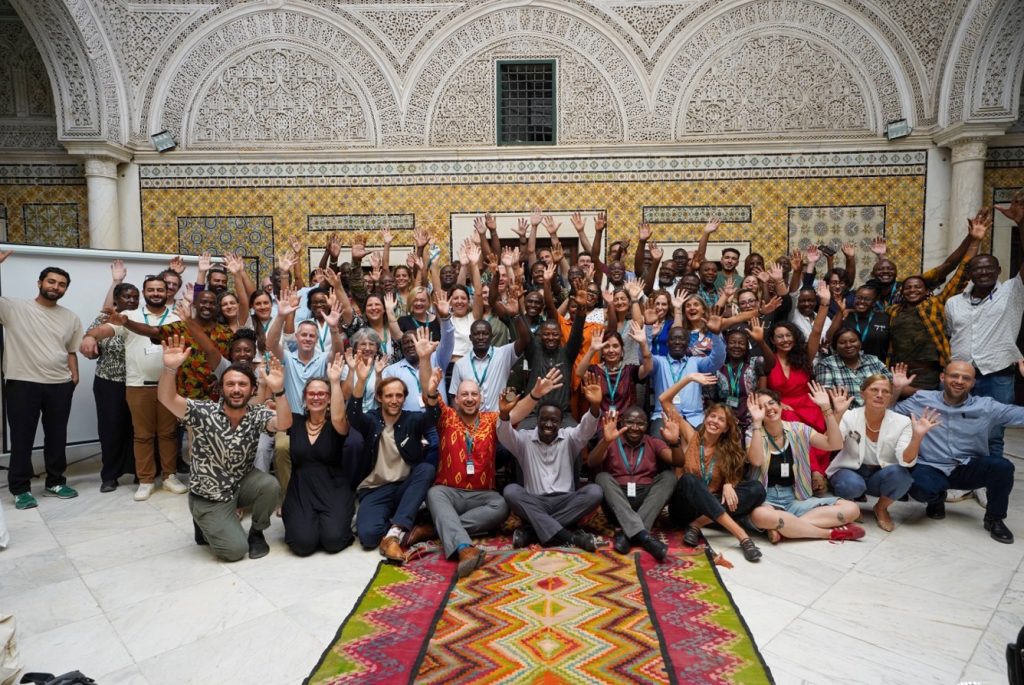
The first two days were dedicated to internal consortium discussions, providing an opportunity to take stock of progress across the project’s work packages, celebrate achievements in its 20 cities, and reflect on challenges and lessons learned. During the breakout sessions focused on circularity, one message stood out: circularity is not only about managing waste. It is about recognising value across the food system and creating the connections that allow resources, knowledge and materials to remain in use. Discussions also looked beyond the project’s lifetime, exploring opportunities to sustain the partnerships and networks established through AfriFOODlinks and strengthen the collective contribution to the future of African urban food systems.
On 23 September, the Consortium opened the exchange to a wider audience through the AfriFOODlinks Summit, bringing together representatives of Tunisian institutions, international organisations and the European Commission. The programme showcased the project’s contribution to urban food systems transformation, combining research insights, city experiences and examples of local action.
A particularly engaging moment was the field visit to local bakeries in the Medina, where participants explored one of the project’s pilot initiatives on bread reformulation, illustrating how local food environments can become entry points for healthier and more sustainable diets.
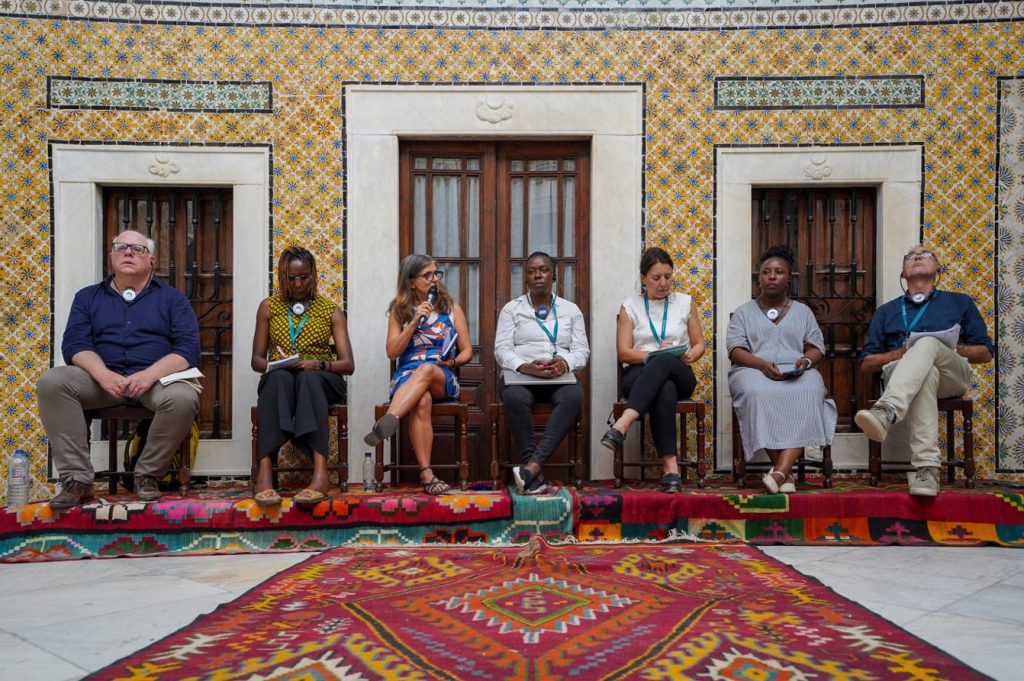
Another key highlight of the AfriFOODlinks Consortium Meeting was the Learning Conference, which provided a space to connect practical experience with research and policy perspectives. Through keynote contributions, panel discussions and thematic workshops, participants explored key dimensions of urban food systems, including multi-stakeholder engagement, food environments, business and innovation, inter-city learning, policy and governance. Site visits to Tunis’s Central Market and the Medina further grounded these discussions in the realities of local food systems.
A central message emerging from the conference was that AfriFOODlinks was not only a project focused on implementation, but also one centred on learning and knowledge generation. Its experience has demonstrated the importance of recognising and amplifying context-specific knowledge, strengthening networks and institutions, connecting research with policy and practice, and ensuring that diverse voices and experiences shape our understanding of African urban food systems. These principles are all reflected in the project’s LINCS value framework.
The challenge ahead is to ensure that the knowledge, partnerships and experiences generated over these four years continue to inform urban food policies and inspire action across Africa and beyond.