School meals shape children’s eating habits well beyond the school years. Over three days in Rotterdam, officers from 18 cities who manage school meals programmes looked at how behavioural change strategies, menu design and public policy can make healthier and more sustainable food the easy choice in school canteens.
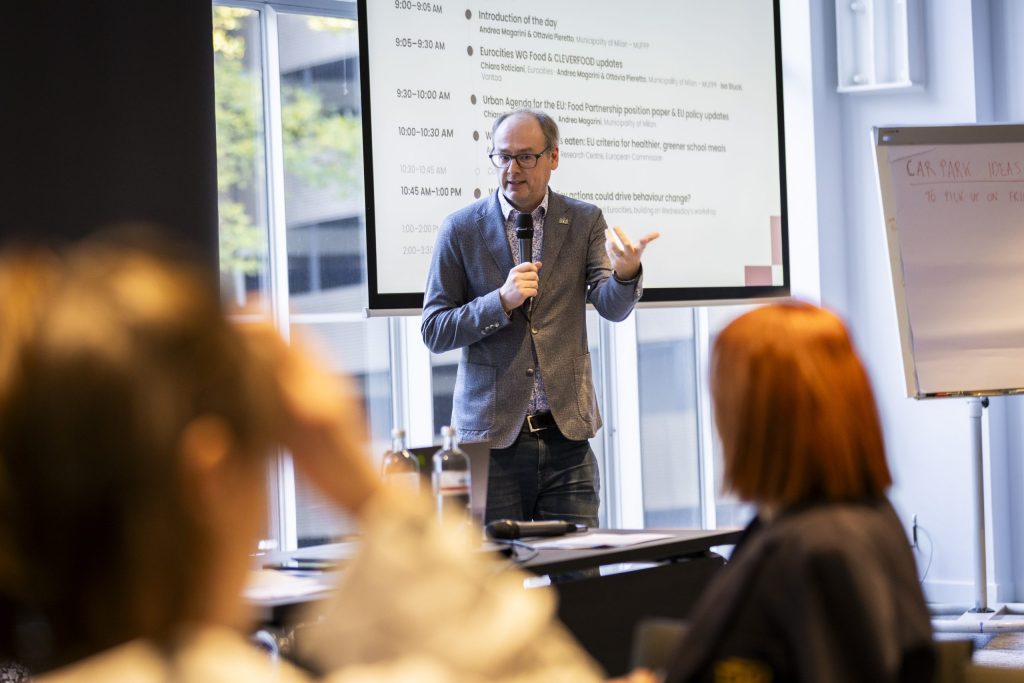
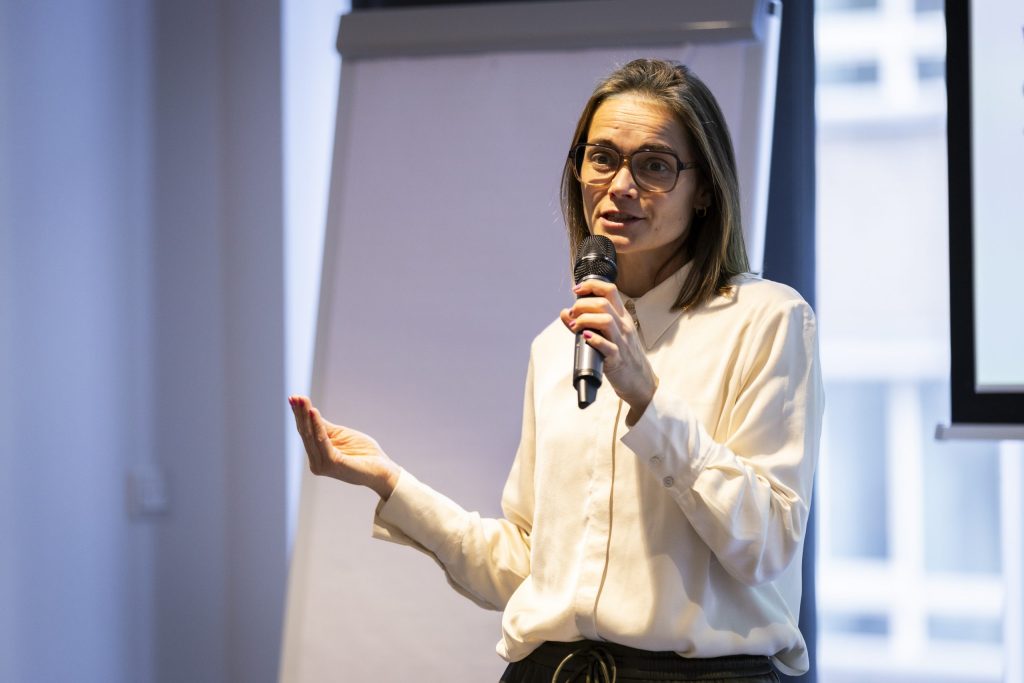
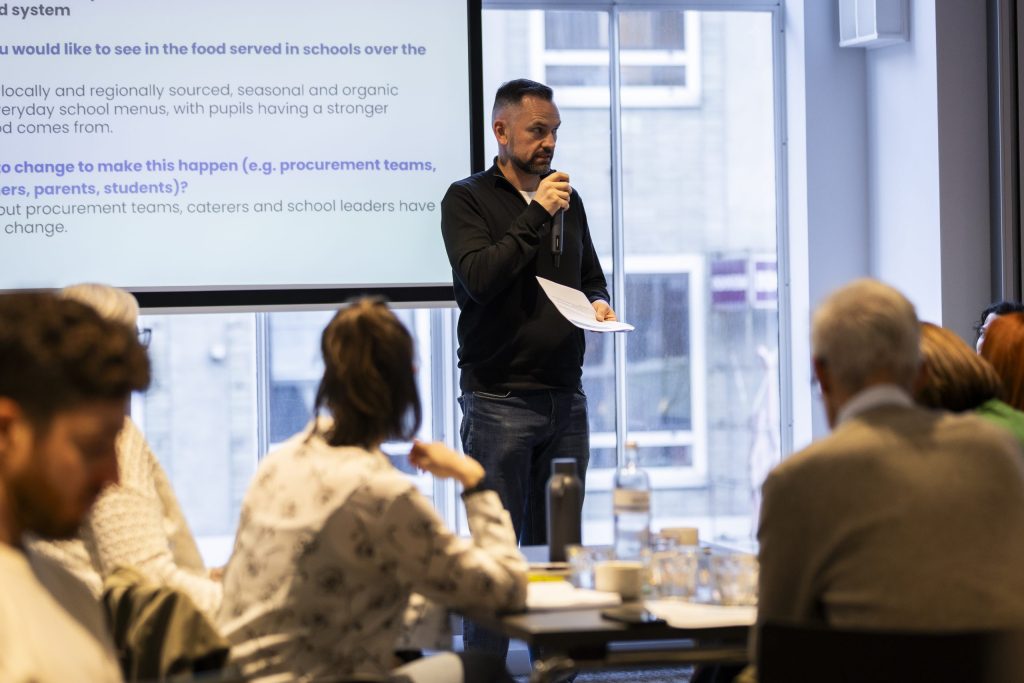
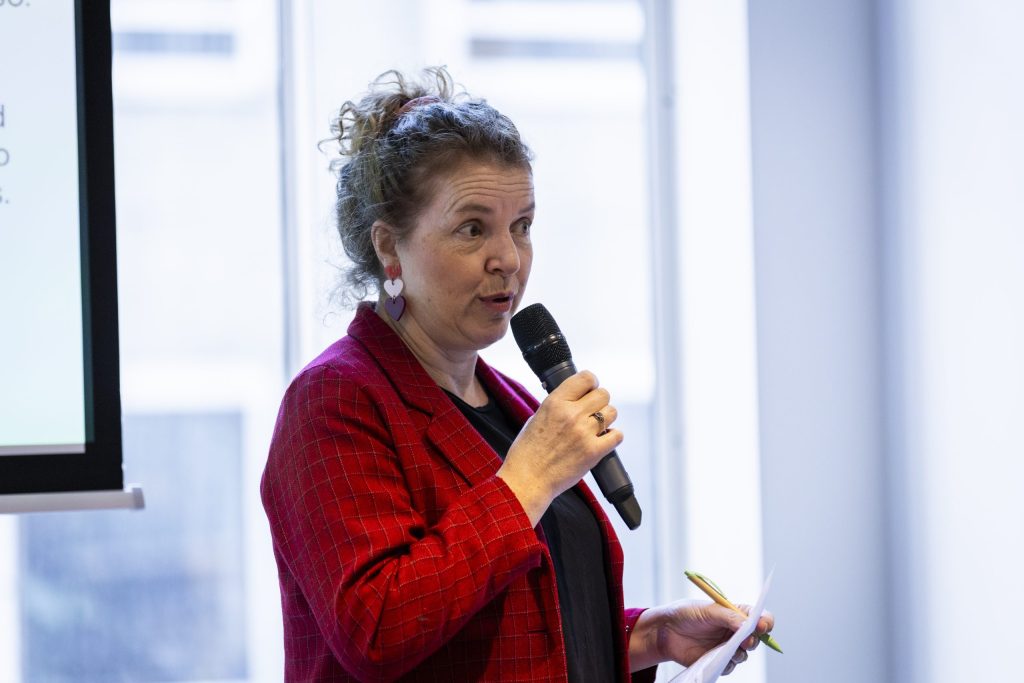
From 4 to 6 November 2026, the Milan Urban Food Policy Pact (MUFPP) brought together 18 cities from 12 European countries in Rotterdam, the Netherlands, for the “Training for Cities: School Meals as a Catalyst for Behavioural Change and Climate Action”, hosted by the Municipality of Rotterdam.
The training was organised within the framework of the Cities Feeding the Future Initiative of the School Meals Coalition, led by the MUFPP. It was promoted with the Urban Agenda for the EU Partnership on Food and Eurocities, in collaboration with the Municipality of Vantaa and in synergy with the CLEVERFOOD and Healthy Wave projects, with the support of the Italian Agency for Development Cooperation (AICS).
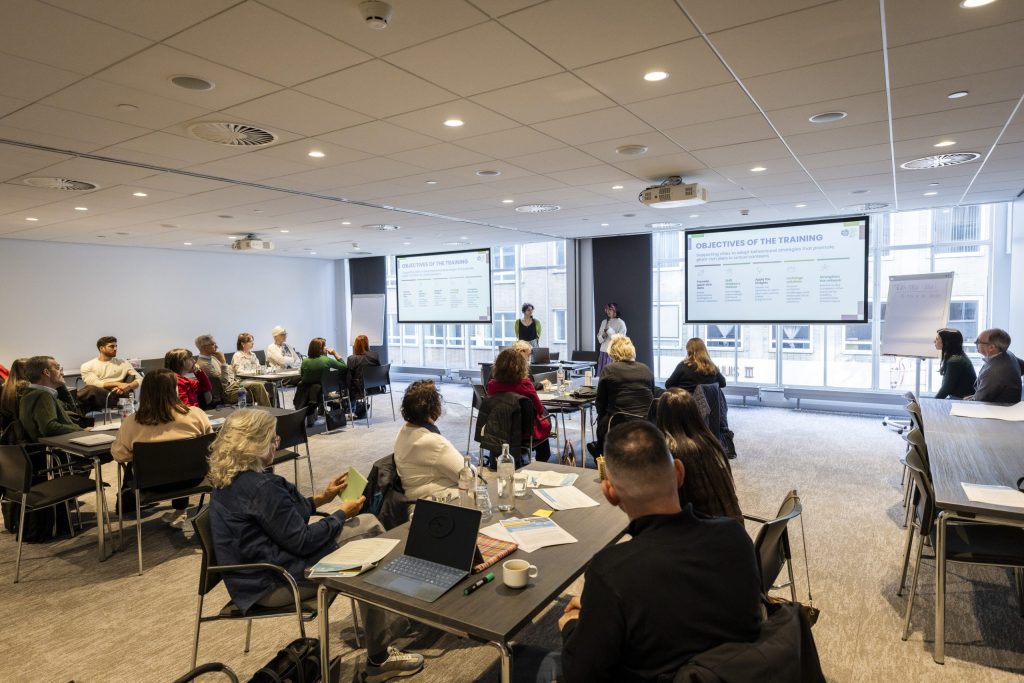
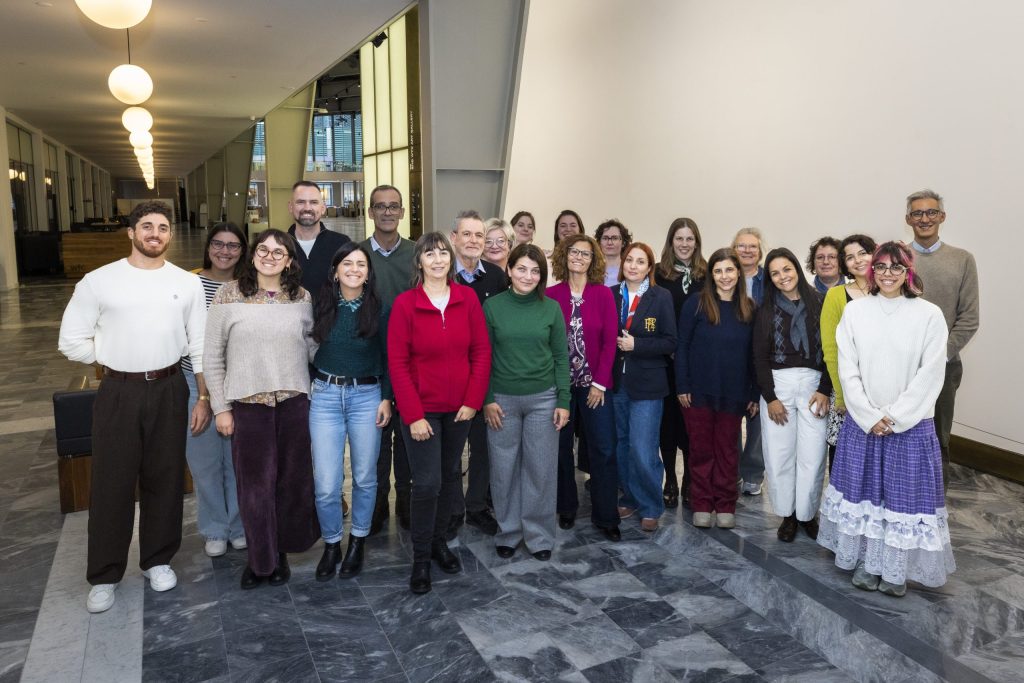
Practitioners around the same table
Amadora, Amsterdam, Bergamo, Bury, Cascais, Copenhagen, Dijon, Ghent, Leuven, Milan, Munich, Piana Fiorentina, Sofia, Trento, Turin, Vantaa, Vienna and Yerevan took part in the training. Each Municipality was represented by the officers who work directly on school meal programmes, from menus and catering contracts to food education and monitoring.
With school meal practitioners around the table, the discussion started from a common understanding and moved quickly from general principles to practical questions, which made the exchange particularly fruitful.
The cities came from very different starting points. Some are launching their first school meal pilots, while others have run established services for decades. Management models also vary widely: meals prepared by a municipal company, as in Milan, centralised public procurement serving hundreds of municipal kitchens, as in Copenhagen, services contracted to private caterers, on-site kitchens in each school or daycare centre, and schools that still lack a kitchen of their own.
Despite these differences, the challenges and objectives that cities shared before and during the training were strikingly similar. Almost all of them aim both to serve legumes and plant-based options more often and to increase children’s acceptance and enjoyment of these dishes. Reducing food waste, involving pupils in the menus development, sourcing more local and seasonal ingredients, and engaging teachers, serving staff and families in encouraging children to try new foods emerged as common priorities. Many cities also pointed to the same groups whose behaviour needs to change, from procurement teams and chefs to teachers, parents and children. This common ground was the starting point for three days of work.
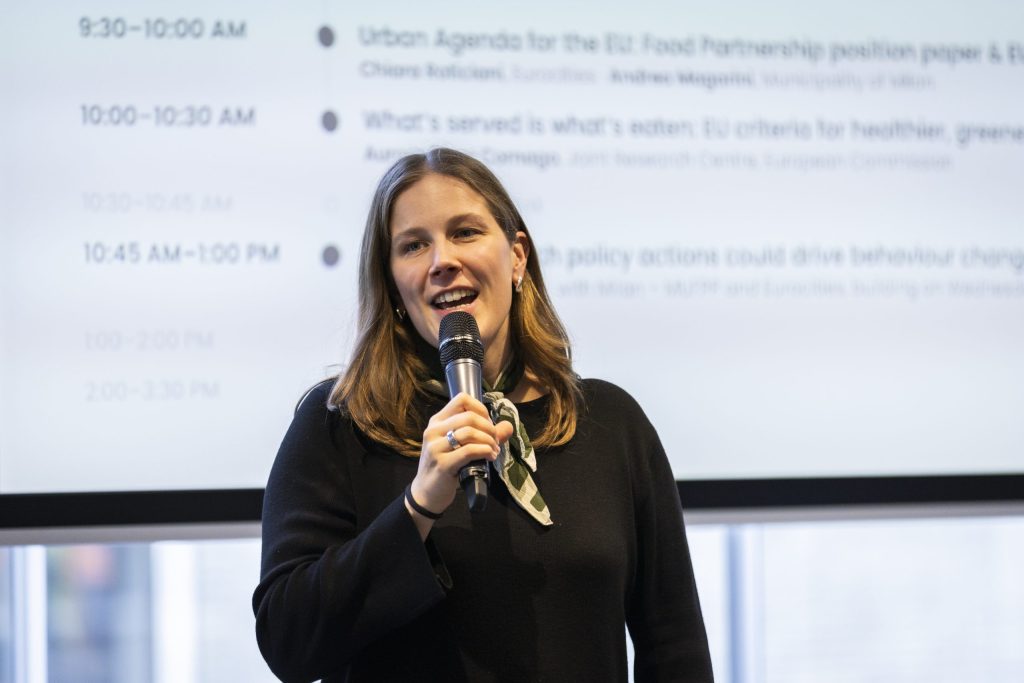
From behavioural science to the school canteen
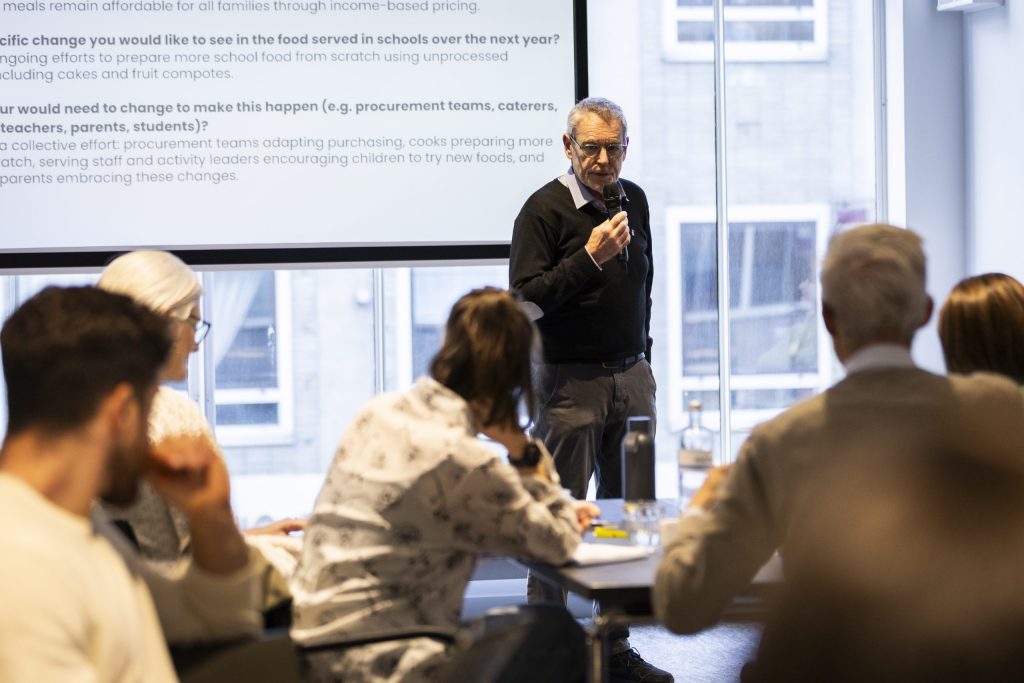
The first day opened with an introduction by the MUFPP Secretariat, Eurocities and the Municipality of Vantaa, followed by presentations from the participating cities on their challenges and good practices.
Edwina Hughes, Head of Partnerships and Engagement for Food Initiatives at the World Resources Institute (WRI), then led a technical session on how food choices are made. Most of these choices are fast and almost automatic and depend largely on the environment in which they happen. The WRI Food Service Playbook, based on some 350 studies, proposes 90 actions to make plant-rich dishes more attractive. Studies from Sweden and France showed that lower-carbon recipes can be introduced without reducing acceptance, and that short tasting activities led by canteen staff can make children more willing to try pulses.
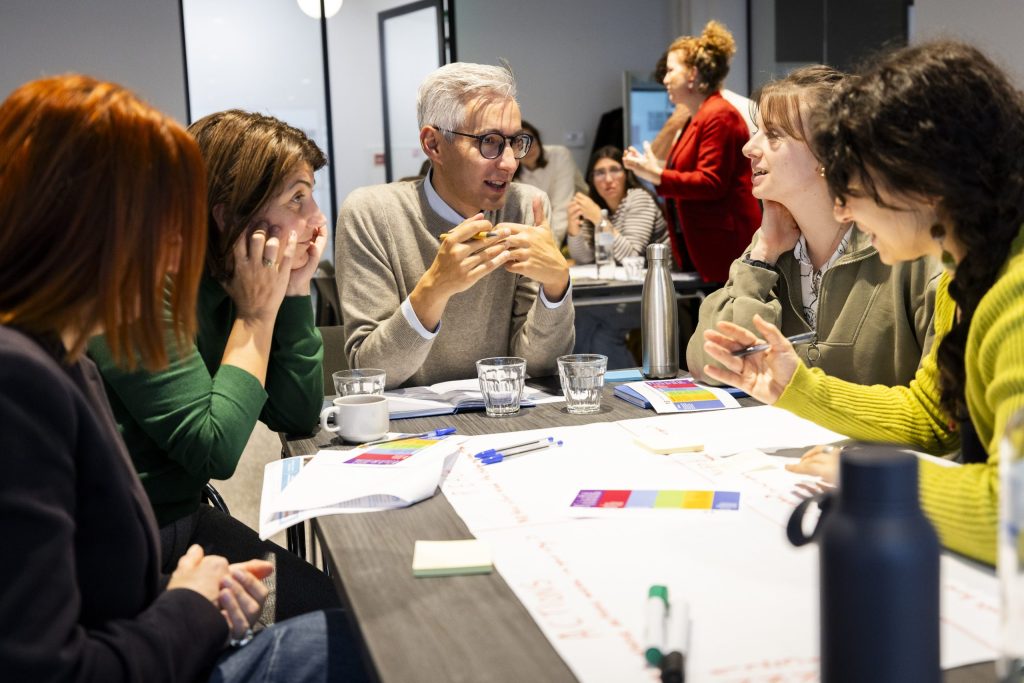
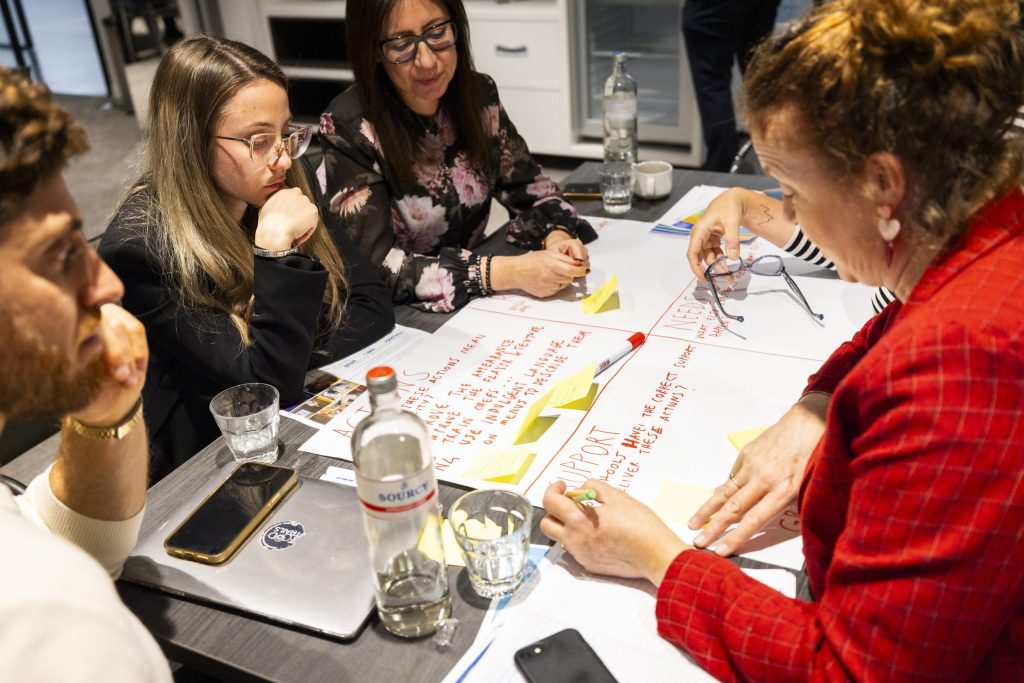
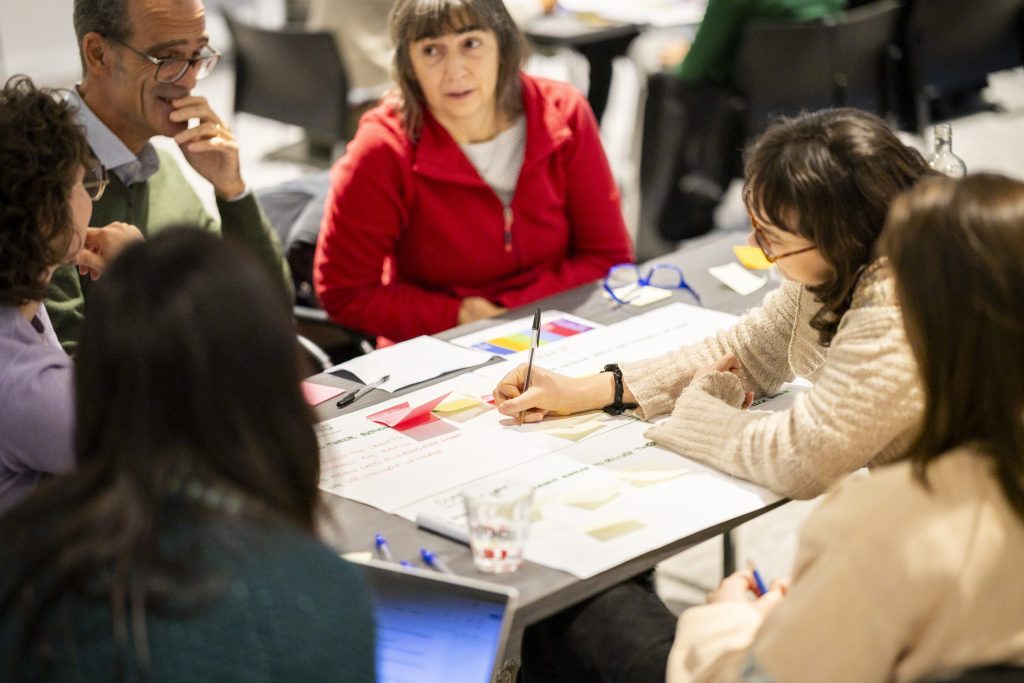
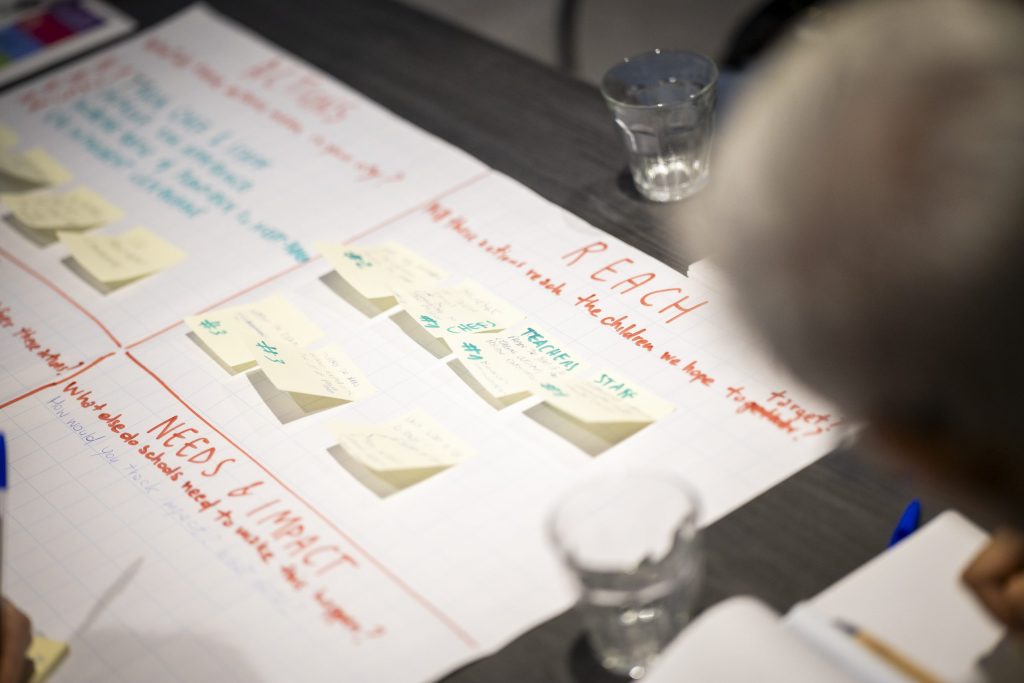
In the afternoon workshop, each group chose among those the actions most relevant to their context and discussed whether they would reach the children they target, what support schools would need to deliver them, and which data could show their impact.
Healthy Wave Final Conference
On 5 November, participants joined the Final Conference of the Healthy Wave project, in which Milan acted as mentor for Rotterdam.
The morning programme included a keynote from Jiří Švarc, Head of the Unit for Social Policies, Child Guarantee and the Social Protection Committee at the European Commission, the presentations of the results of the SchoolFood4Change project by Rikolto and a panel on rethinking healthy school meals.
Speaking on the panel, Andrea Magarini, Director of the Food Policy Department of the Municipality of Milan and Chair of the Eurocities Working Group Food, presented the Cities Feeding the Future Initiative, which supports municipalities in their responsibility for school meal programmes and strengthens the links between local and national governments. The discussion also touched on how the initiative can contribute to the European Child Guarantee, and on how Milan collects children’s feedback to improve its menus.
In the afternoon, parallel sessions addressed early childhood education and care, local school food policy, and child poverty. The session on local school food policy, moderated by Chiara Mandelli of the Municipality of Milan, guided the audience through discovering different successful local-level experiences on various scales, featuring Copenhagen (Denmark) — whose mayor is a Champion Mayor of the Cities Feeding the Future Initiative —, presented by Astrid Dahl, alongside the experiences from Gothenburg, presented by Joakim Karlsson, from the Netherlands Nutrition Centre (Voedingscentrum) with Annette Stafleu, and Baciu (Romania) with Daniela Onofrei.
The final part of the day focused on the Healthy Wave project itself. Partners presented its main outcomes and the Healthy Wave Toolkit, and showed how well the mentor–mentee model had worked, confirming how important it is for cities to share experiences and good practices and to have dedicated spaces where they can compare approaches and learn from one another. The day closed with a session, where pupils from a Rotterdam school involved in a school meals pilot launched through Healthy Wave, presented their views and recommendations.
Connecting local action with EU policy
The third day brought the training into the broader context of European policy and research. Eurocities, the MUFPP Secretariat and the Municipality of Vantaa shared updates from the Eurocities Working Group Food and the CLEVERFOOD project, and the Urban Agenda for the EU Partnership on Food presented its work, including its forthcoming opinion on the proposed EU Public Procurement Act.
Aurora Perez-Cornago, Scientific Officer at the Joint Research Centre (JRC) of the European Commission, presented the new voluntary EU criteria for sustainable public food procurement. For the first time, the criteria add nutrition to environmental, economic and social aspects, and include texts that cities can adapt directly to their tenders.
Building on the work of the first day, during the closing workshop, cities chose a policy action from the WRI Food Policy Toolkit (such as making healthy and sustainable meals the standard option in schools, establishing school food standards and monitoring their implementation, or training for chefs and catering staff), and assessed whether it could support the behavioural changes discussed. Each proposal was tested against cost, available expertise, complexity, public acceptability, and political support.
Looking ahead
The training left participants with three main messages.
- First, what is served shapes what is eaten: rather than relying mainly on information, cities can act on recipes, presentation and the composition of menus, keeping taste at the centre.
- Second, behavioural strategies in the canteen last only if policy supports them, through procurement criteria, food standards, staff training and monitoring. As the WRI work highlighted, it is often feasibility, more than expected impact, that holds actions back, so building support across departments and at political level is essential.
- Third, change involves the whole school community, from kitchen staff and teachers to families, children, and municipal teams.
Each participant left Rotterdam with a policy idea assessed for its feasibility in their own Municipality, along with new contacts and ideas to discuss with colleagues at home.
Above all, the training showed that cities working in very different contexts, and with very different models of school meals provision, share the same goals and many of the same obstacles. This is what makes peer learning among practitioners so valuable.
The MUFPP will continue to support this community of cities through the Cities Feeding the Future Initiative, together with Eurocities and the Urban Agenda for the EU Partnership on Food.